
"La San Marco"
200 article(s) found

Taste of Guatemalan Coffee Manor Incht Manor Guatemalan Coffee producing area
The "Las Rosas de Oakland Manor" in San Marco, Guatemala, it is said that Oakland Manor covers an area of 45ha's next harvest with a target of 120 bags. It pays more attention to quality than harvest, so it is very limited by climate, rainfall and other factors. About 40 harvesters were employed from the village during the harvest period. These people were not people who went out to earn money, but the whole family sent out to harvest. Including the small, of course.

A brief introduction to the treatment method of grinding degree and baking degree of jasmine-scented Guatemalan coffee beans
Other coffee producers in Guatemala, such as San Marco, Oriente Coban, Palcya, Mataquescuintia and La Uman in Sacapa, are mostly cultivated in the high-altitude volcanic soils of the most advanced Arabica (Arabica) varieties. Due to maturity

Guatemala Coffee La Minita Coffee introduction
For more information on coffee beans, please follow the coffee workshop (Wechat official account cafe_style) there are seven main coffee producing areas in Guatemala: Antigua, Coban, Atitlan, Huehuetenango, Fraijanes, Oriente, and San Mareos.

The coffee producing area of Attland, one of the five major volcanoes in Guatemala, introduces the Incht Manor.
The "Las Rosas de Oakland Manor" in San Marco, Guatemala, it is said that Oakland Manor covers an area of 45ha's next harvest with a target of 120 bags. It pays more attention to quality than harvest, so it is very limited by climate, rainfall and other factors. About 40 harvesters were employed from the village during the harvest period. These people were not people who went out to earn money, but the whole family sent out to harvest. Including the small, of course.

Guatemala Coffee Manor
Antigua is one of the few tourist attractions in Guatemala. Coffee farms are generally located in more remote towns, but they produce the highest quality Guatemalan coffee near the city!

Introduction to the cultivation of Coffee beans in Coffee Manor in Guatemala
Following Cafe (official Wechat account vdailycom) found that the Beautiful Cafe opened a small shop of its own, "Las Rosas de Oakland Manor" in San Marco District, Guatemala. It is said that Oakland Manor covers an area of 45ha's next harvest target of 120 bags. It pays more attention to quality than harvest, so it is very limited by climate, rainfall and other factors. About 40 people were employed from the village at harvest time.
Visit Guatemala Coffee Manor
Antigua is one of the few tourist attractions in Guatemala. Coffee farms are generally located in more remote towns, but they produce the highest quality Guatemalan coffee near the city!
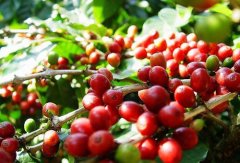
La Tisa Manor, Farahan Plateau, Guatemala
Country: Guatemala Grade: SHB production area: Fraijanes,Guatemala City altitude: 1675 m Harvest time: October to February next year treatment: washing varieties: bourbon, Kaddura processing Plant: Latitha Manor Flavor: black tea, floral, rich caramel coffee was really introduced to Guatemala in 1750, introduced by Father Jesuit at the end of the 19th century

Black tea flowers flavor La Tisa Manor in the Farahan Plateau of Guatemala
Coffee was really introduced into Guatemala in 1750 by Father Jesuit, where the coffee industry was developed by German colonists at the end of the 19th century. Today, most of the coffee industry's production takes place in the south of the country. There are seven main coffee producing areas in Guatemala: Antigua, Coban, Atitlan and Huehuete.

American boutique coffee La Tisa Manor on the Farahan Plateau of Guatemala
Fraijanes Plateau: Waiqiang Plateau (Fraijanes Plateau) this area is of volcanic soil, high altitude, sufficient rainfall and great humidity variation. Ash from Pacaya, Guatemala's most active volcano, provides important minerals for the soil in the region. There is plenty of sunshine in the dry season, and although the clouds and dew are heavy in the morning, they dissipate quickly. Because of

La Minita Flower God, La Tisa Manor, Farahan Plateau, Guatemala
To really understand the flavor changes and product differences of coffee beans is to understand the production place and growers, different manors with different flavors, or different flavors on different hills of the same manor, and the story behind each coffee bean is what the fragrance wants to know. It can be traced back to which plot of the estate where the beans came from, or which cooperative or which farmer, chasing the flavor of the region. To
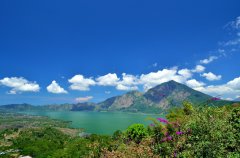
Boutique Coffee at La Tisa Manor in the Farahan Plateau of Guatemala
Coffee was really introduced into Guatemala in 1750 by Father Jesuit, where the coffee industry was developed by German colonists at the end of the 19th century. Today, most of the coffee industry's production takes place in the south of the country. There are seven main coffee producing areas in Guatemala: Antigua, Coban, Atitlan and Huehuete.

Coffee producing area Manor Guatemala Coffee Manor La Tisa Manor
Coffee was really introduced into Guatemala in 1750 by Father Jesuit, where the coffee industry was developed by German colonists at the end of the 19th century. Today, most of the coffee industry's production takes place in the south of the country. There are seven main coffee producing areas in Guatemala: Antigua, Coban, Atitlan and Huehuete.
History of the origin of espresso
Coffee was introduced into Italy in the 16th century. The first coffee trade developed in Venice, and the first coffee shop, Caff Florian, opened in San Marco Square in Venice in the early 18th century. So where does the familiar espresso come from? In 1855, the world's first espresso machine was held at the World Expo in Paris.

Exploration of Coffee Manor in Guatemala
The basic data area of the Republic of Guatemala Japan 1x3 Capital Guatemala City language Spanish Mayan national GDP 250,000 yen per person (year) 2009 Guatemala delegation members include Mr. Matsuwon of Matsuwon Coffee Co., Ltd., Mr. Honike of Old New Co., Ltd., Mr. Tui and Mr. Toyama of Sumitomo Business. The problem of jet lag has disappeared, everyone except Mr. Songyuan.

Raminita Group's Flower God Coffee Antigua's top boutique coffee flavor introduction
Today, most of the coffee industry's production takes place in the south of the country. Guatemala has seven main coffee producing areas: Antigua (Antigua), Cobain (Coban), Lake Attilan (Atitlan), Vevetnango (Huehuetenango), Farahan Plateau (Fraijanes), Oriente (Oliente) and San Marco (San Mareos). Each region has its own climate change.
Central and South American Coffee Flavor washing Raw Coffee beans at La Tisa Manor in Guatemala
Coffee was really introduced into Guatemala in 1750 by Father Jesuit, where the coffee industry was developed by German colonists at the end of the 19th century. Today, most of the coffee industry's production takes place in the south of the country. There are seven main coffee producing areas in Guatemala: Antigua, Coban, Atitlan and Huehuete.

Guatemala Republic Coffee beans Flower-scented Coke of La Tisa Manor on the Farahan Plateau of Guatemala
Coffee was really introduced into Guatemala in 1750 by Father Jesuit, where the coffee industry was developed by German colonists at the end of the 19th century. Today, most of the coffee industry's production takes place in the south of the country. There are seven main coffee producing areas in Guatemala: Antigua, Coban, Atitlan and Huehuete.

What are the characteristics of the eight major producing areas of Guatemalan coffee
Professional coffee knowledge exchange more coffee bean information please follow the coffee workshop (Wechat official account cafe_style) basic information of the Republic of Guatemala ● area of Japan 1 big 3 capital Guatemalan city language Spanish Mayan national GDP 250,000 yen per person (year) 2009 Guatemala delegation members include Mr. Matsumoto and Old New of Matsumoto Coffee Co., Ltd.

What are the famous manors in Guatemala? Visit Guatemala producing areas and manors and eight major producing areas
To really understand the flavor changes and product differences of coffee beans is to understand the production place and growers, different manors with different flavors, or different flavors on different hills of the same manor, and the story behind each coffee bean is what the fragrance wants to know. It can be traced back to which plot of the estate where the beans came from, or which cooperative or which farmer, chasing the flavor of the region. To